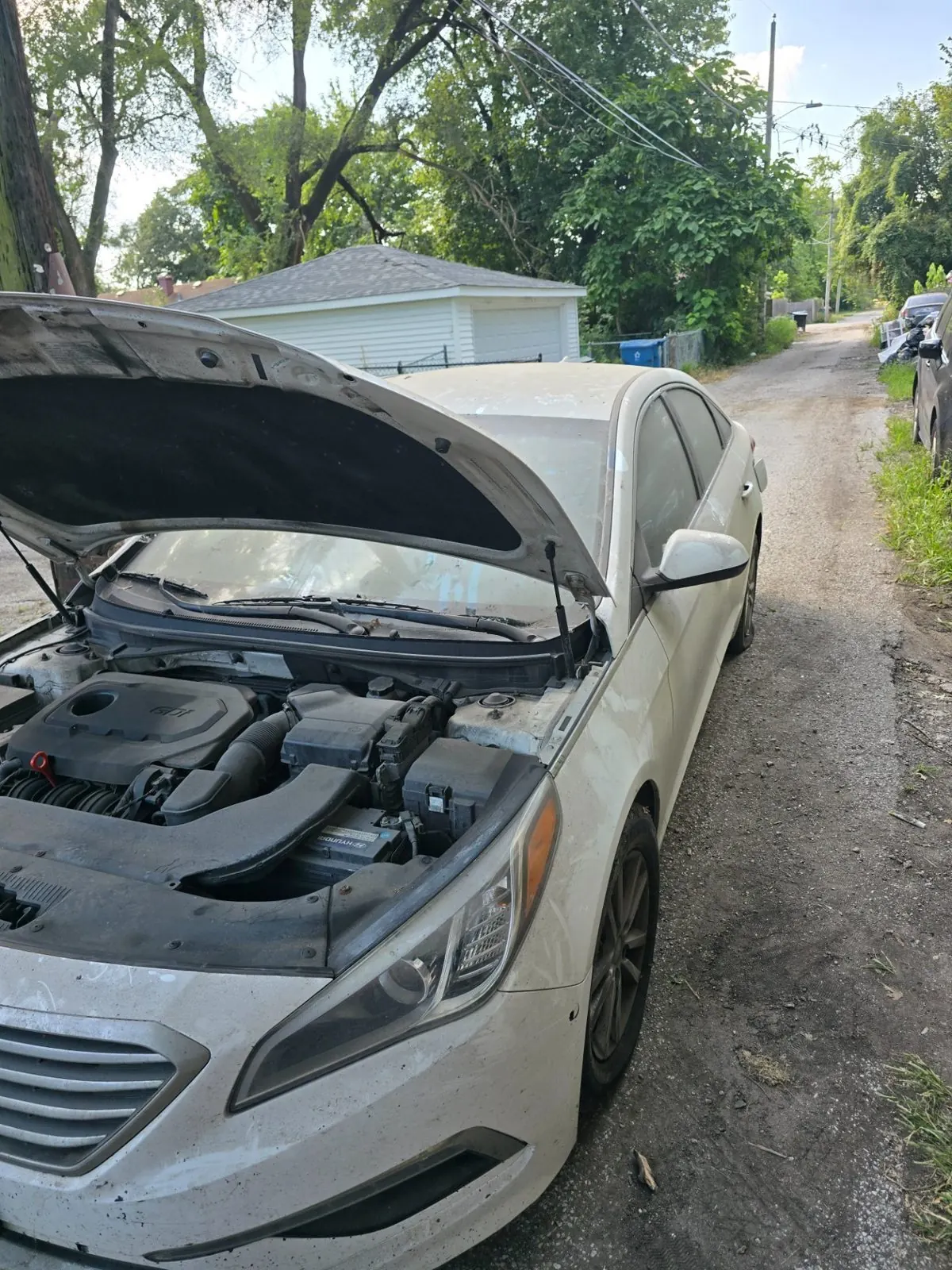
Fix it or sell it for scrap?
There's no single number that tells you when to give up on a car. There is a method, and it takes about an afternoon.
When is a car not worth fixing?
A car stops being worth fixing when the written repair estimate is higher than what the car would sell for once repaired. At that point the money buys you a car that's still worth less than the bill. Compare that gap with a junk offer for the car as it sits, and the cheaper path is usually plain.
Step one: name the problem
Have the car looked at before deciding anything. "It won't start" can mean a battery, a starter, a fuel pump or an engine that's finished, and those sit at very different ends of the repair bill. A written estimate turns a worry into something you can compare.
Step two: put three figures side by side
- The repair estimate, in writing, from a shop you trust.
- What the car would be worth fixed, judged honestly by its age, mileage and body.
- A junk offer for the car as it sits, which we give on the phone at no cost.
If the repair costs more than the car would be worth afterwards, the decision mostly makes itself. If the repair is affordable and the car is otherwise sound, fixing it may well be the better choice.
Step three: count the costs of waiting
A dead car keeps costing money: insurance while it sits, and in Harvey the risk of a notice. The City Code also puts a time limit on a car that sits "under repair", so a stalled repair can't wait forever; Harvey's vehicle rules give the details.
When selling for scrap wins
- The engine or transmission has failed on an older car.
- Rust or crash damage has reached the frame.
- You've already paid for one big repair this year and something else has gone.
- It was your only car and you need the money working toward a dependable one, not sunk into this one. Our guide to losing your only car covers the next steps.